 Health News Editors – Your Source for Breaking Health News
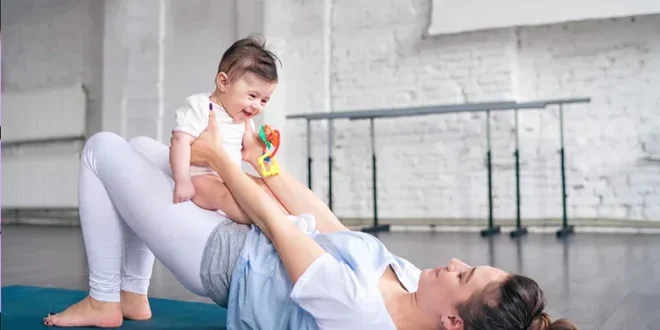
Bringing a baby into the world is a major physical and emotional event. After delivery, many new mothers wonder when it’s safe to start moving again and how to do so without risking injury or exhaustion. The good news is that staying active after childbirth can support recovery, boost mood, and rebuild strength—when done at the right pace.
Understanding your body’s needs and respecting its healing timeline is the foundation of a safe and sustainable return to activity.
Why Physical Activity Matters After Childbirth
Gentle movement after delivery offers benefits that go far beyond weight loss. When approached thoughtfully, physical activity can:
- Improve circulation and energy levels
- Support muscle recovery, especially in the core and pelvic floor
- Reduce stiffness in the back, hips, and shoulders
- Help manage postpartum stress and mood changes
- Promote better sleep quality over time
The key is choosing the right type of activity at the right stage of recovery.
When Can You Start Being Active After Delivery?
There is no one-size-fits-all timeline. Your starting point depends on factors such as delivery type, overall health, and how your body feels day to day.
After a Vaginal Delivery
Many women can begin light activity—such as slow walking and gentle stretching—within days of delivery, provided there are no complications. Listening to your body is essential; discomfort is a sign to slow down.
After a Cesarean Delivery
Recovery tends to take longer. Light movement may begin after a couple of weeks, but structured exercise usually waits until medical clearance, often around 6–8 weeks postpartum.
Always consult your healthcare provider before starting or increasing activity, especially if you experienced complications.
How to Start Safely and Gradually
Returning to movement is not about intensity; it’s about consistency and control.
Begin With Gentle Movements
Start with low-impact activities that encourage circulation without strain:
- Short walks around the house or outdoors
- Gentle stretching for the neck, shoulders, and hips
- Deep breathing exercises to reconnect with your core
Focus on Core and Pelvic Floor Recovery
Pregnancy places significant stress on abdominal and pelvic muscles. Strengthening these areas helps prevent discomfort and future injury.
- Practice pelvic floor contractions (often called Kegel exercises)
- Engage the deep core muscles with slow, controlled movements
- Avoid crunches or high-impact moves early on
Progress Slowly Over Time
As your strength improves, you can gradually increase duration and intensity. Signs that you’re progressing too quickly include pain, excessive fatigue, or increased bleeding.
Types of Exercises That Work Well Postpartum
Low-impact activities are ideal in the early stages and can remain a core part of your routine.
Recommended options include:
- Walking – simple, adaptable, and easy to do with a baby
- Postnatal yoga or Pilates – improves flexibility and posture
- Light strength training – using body weight or resistance bands
- Swimming – once cleared, it offers full-body support with minimal strain
These activities help rebuild endurance while respecting your body’s healing process.
Listening to Your Body’s Signals
Your body communicates clearly during recovery. Pay attention to warning signs such as:
- Persistent pain or pressure
- Dizziness or shortness of breath
- Increased vaginal bleeding after exercise
- A feeling of heaviness in the pelvic area
If any of these occur, pause your routine and seek professional guidance.
Making Activity a Sustainable Habit
Postpartum life is busy and unpredictable. Rather than aiming for perfection, focus on small, realistic goals.
- Break activity into short sessions
- Include your baby when possible, such as stroller walks
- Prioritize rest alongside movement
- Celebrate progress, not speed
Consistency matters more than intensity during this stage.
Frequently Asked Questions
1. How soon after delivery can I start exercising?
This depends on your delivery type and recovery. Light movement may begin within days, but structured exercise usually requires medical clearance.
2. Is it normal to feel tired after light activity postpartum?
Yes. Fatigue is common due to healing, hormonal changes, and sleep disruption. Gradual progression helps prevent overexertion.
3. Can exercise affect breastfeeding?
Moderate exercise does not harm milk supply. Staying hydrated and nourished supports both activity and breastfeeding.
4. Are abdominal exercises safe after childbirth?
Some are, but traditional crunches should be avoided early on. Focus on gentle core engagement and pelvic floor strength first.
5. What if I experience pain during or after exercise?
Pain is a signal to stop. Reduce intensity and consult a healthcare professional if discomfort persists.
6. Do I need special postnatal workout programs?
Not necessarily, but postnatal-focused programs can provide structure and safety during recovery.
7. How long does it take to feel strong again after delivery?
Recovery varies widely. Many women notice gradual improvements over several months with consistent, gentle activity.
Staying active after delivery is about honoring your body’s healing journey. With patience, awareness, and steady effort, movement can become a powerful ally in your postpartum recovery.