 Health News Editors – Your Source for Breaking Health News
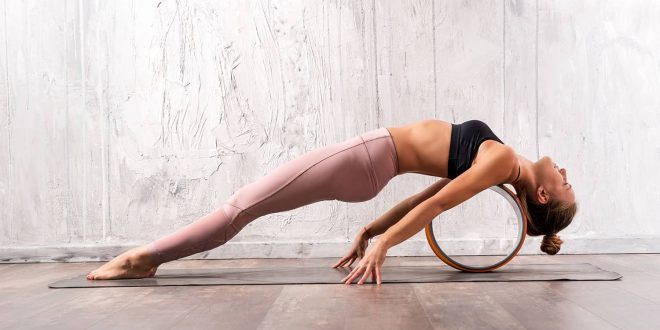
Singapore consistently ranks among the most stressed cities in Asia. Long working hours, relentless productivity culture, and the constant connectivity of urban life create a nervous system that rarely gets the chance to fully switch off. People turn to many solutions, from meditation apps to weekend getaways, yet the relief is often temporary. What if the answer was partly in how you move your body? Specifically, in the act of opening your chest, lengthening your spine, and using a simple circular prop to do it more effectively than almost anything else available in a standard yoga class?
The yoga wheel has gained recognition not just as a physical tool but as a genuine aid for nervous system regulation. This article examines the science behind why backbends calm anxiety, how the yoga wheel enhances that process, and what you can expect when you add wheel-supported heart openers to your regular practice.
The Nervous System in a State of Chronic Stress
To understand why yoga wheel backbends help with stress, it helps to first understand what happens to your body when stress becomes chronic. The autonomic nervous system has two primary states: the sympathetic state, commonly called fight-or-flight, and the parasympathetic state, often described as rest-and-digest. In healthy functioning, these two states balance each other naturally.
Chronic stress, however, keeps the sympathetic nervous system in a state of near-constant activation. Cortisol and adrenaline remain elevated. The heart beats faster. Muscles stay mildly contracted. Breathing becomes shallower. The immune system is suppressed. Sleep quality deteriorates. Over months and years, this persistent sympathetic dominance contributes to anxiety disorders, burnout, cardiovascular strain, digestive issues, and a general sense of being perpetually on edge.
The Body Posture and Stress Connection
Here is something most people do not consider: the posture of stress and the posture of modern life are nearly identical. When we are frightened, threatened, or overwhelmed, we instinctively round our shoulders forward, curl the chest inward, and protect our heart and abdominal organs. This is a hardwired protective response.
Now consider the posture most Singaporeans hold for the majority of their day. Shoulders rolled forward over a keyboard. Chest compressed. Head forward. Ribcage caved inward. The body cannot easily distinguish between this habitual posture and the defensive posture of threat response. The physical signals are similar, and the nervous system responds accordingly, maintaining a low-grade stress state simply because the body is shaped like someone who is stressed.
This is not a minor observation. Research in embodied cognition has demonstrated that posture influences mood, hormone levels, and nervous system state in measurable ways. Changing how you hold your body changes how your nervous system interprets your situation.
Why Backbends Are Neurologically Significant
Backbends are the physical counterpoint to the stress posture. Where stress curls you inward, a backbend opens you outward. The chest expands, the ribcage lifts, the heart is exposed rather than protected, and the spine extends in a direction that directly opposes the chronic flexion of daily life.
Beyond the postural shift, backbends produce several specific physiological changes that directly influence the nervous system.
Vagal Stimulation Through Chest Opening
The vagus nerve is the longest nerve in the autonomic nervous system. It runs from the brainstem through the neck, chest, and abdomen, innervating the heart, lungs, and digestive organs. Vagal tone, the measure of how well the vagus nerve regulates these organs, is closely linked to emotional resilience, stress recovery, and the ability to shift out of sympathetic activation.
Chest-opening movements stimulate mechanoreceptors in the thoracic region that send signals to the vagus nerve, encouraging parasympathetic activation. Deep diaphragmatic breathing, which is naturally enhanced in a backbend position where the chest is open and expanded, further stimulates vagal tone through pressure changes in the thoracic cavity. The combination of physical chest opening and deeper breathing creates a powerful parasympathetic trigger.
Cortisol Reduction Through Extended Holds
Research on yoga backbend holds suggests that sustained extension poses can lower salivary cortisol levels. Cortisol is the primary stress hormone, and chronically elevated cortisol is associated with anxiety, weight gain around the abdomen, disrupted sleep, and impaired immune function. While a single session does not radically alter cortisol biology, regular practice of backbend poses held for sustained durations appears to shift the baseline cortisol response over time.
How the Yoga Wheel Enhances the Stress-Relief Benefits of Backbends
The challenge with deep backbends in a standard yoga practice is that they demand significant shoulder mobility, spinal flexibility, and core strength to achieve safely. For most practitioners, especially those carrying the typical postural tightness of a sedentary lifestyle, attempting an unsupported deep backbend creates muscular strain rather than release. The body grips rather than opens.
The yoga wheel solves this problem elegantly. By providing a supportive surface that matches the curve of the spine, the wheel allows the body to achieve the chest-open, spine-extended position without muscular effort or flexibility prerequisites. You can drape over the wheel and simply breathe, receiving the neurological and postural benefits of a backbend without the challenge of holding yourself in the shape independently.
Longer Holds, Deeper Release
The wheel enables longer holds in heart-opening positions than most practitioners can sustain without support. A typical unsupported wheel pose or camel pose might be held for three to five breaths before muscular fatigue demands you come out. Supported over the yoga wheel, you can remain in a passive chest opener for two to five minutes, allowing the fascial tissue around the chest and anterior shoulders to undergo genuine viscoelastic release.
This matters because connective tissue responds to duration rather than force. A gentle, sustained stretch held for several minutes produces more lasting changes in tissue length and tension than a brief, intense stretch. The wheel’s support makes these longer, more therapeutically effective holds accessible to everyone.
Synchronisation with Breath
The round surface of the yoga wheel has a secondary benefit that is easy to overlook: it provides immediate feedback about your breathing. When you lie back over the wheel with it beneath your thoracic spine, each inhalation causes your ribcage to expand and your body to rise slightly. Each exhalation allows a gentle deepening of the extension. The wheel becomes a physical biofeedback tool, encouraging slower, more diaphragmatic breathing by making the breath literally visible and tangible.
This breath synchronisation is central to nervous system regulation. Slow, deep exhalations activate the parasympathetic nervous system through the respiratory sinus arrhythmia mechanism, a natural fluctuation in heart rate linked to the breath cycle. Extending the exhalation phase, which the wheel naturally encourages by giving you something to release into, is one of the most direct ways to manually shift your nervous system out of sympathetic dominance.
Emotional Release and the Heart Centre
In yogic philosophy, the heart centre or anahata chakra is associated with emotions including love, compassion, grief, and vulnerability. Whether you hold this framework literally or metaphorically, there is a practical observation embedded in it: many people experience unexpected emotional responses during deep chest-opening practices.
It is not uncommon for practitioners to feel a sudden sense of lightness, the urge to cry, or a wave of relief during or after a sustained backbend. This is likely a combination of neurological factors including vagal activation, cortisol shifts, fascial release in areas where physical tension has been held for years, and the psychological experience of voluntarily adopting an open, unguarded physical posture. Whatever the mechanism, the experience is often described as profoundly releasing.
Practical Stress Relief Protocols Using the Yoga Wheel
For stress relief specifically, the most effective yoga wheel sequences prioritise passive, supported positions held for longer durations over active, challenging flows. The following framework can be used as a standalone stress-relief session or integrated into the end of any yoga practice.
- Begin with two to three minutes of diaphragmatic breathing in a neutral seated position to begin settling the nervous system before introducing the wheel.
- Place the wheel beneath the mid-thoracic spine and rest in a supported fish variation for three to five minutes, focusing on slow, complete exhalations.
- Move into a supported chest opener with arms extended to the sides or overhead for two to three minutes.
- Transition to a supported hip flexor stretch in low lunge with the back foot resting on the wheel for two minutes each side, as hip flexor release reduces lumbar tension and further encourages parasympathetic activation.
- Finish with five minutes in savasana without the wheel, allowing the nervous system to integrate the changes created during the practice.
This sequence takes approximately twenty minutes and can produce a measurable shift in perceived stress levels. Regular practitioners report better sleep quality, reduced afternoon energy crashes, and a greater capacity to manage stressful situations without becoming overwhelmed.
The Community Factor
One aspect of yoga wheel practice that often goes unacknowledged in stress research is the role of community. Practising in a group setting, sharing a physical space with others who are also working on their wellbeing, activates social engagement pathways in the nervous system that further support parasympathetic tone. The co-regulation that happens naturally in a group yoga setting is a legitimate physiological benefit that cannot be replicated by solo practice.
Yoga Edition provides a warm, inclusive studio environment where practitioners of all levels and backgrounds come together around a shared commitment to health and mindfulness. The combination of expert instruction, a supportive community, and the specific tools of yoga wheel practice creates conditions for genuine nervous system healing that go beyond what any individual technique can offer alone.
Frequently Asked Questions
Q: How quickly can I expect to feel less stressed after a yoga wheel session? A: Many people report a noticeable shift in mood and physical tension within a single session, particularly after sustained chest-opening poses. The parasympathetic response can occur quite rapidly once the body learns to associate the practice with safety and release. Cumulative benefits in overall stress resilience typically develop over four to eight weeks of regular practice.
Q: Can yoga wheel backbends help with anxiety disorders? A: Yoga wheel practice can be a helpful complementary support for people managing anxiety, particularly through its effects on vagal tone, breathing patterns, and cortisol levels. It should not replace professional mental health treatment for diagnosed anxiety disorders but can be a valuable part of a broader wellness strategy. Always inform your yoga instructor if you are managing anxiety so they can adapt sequences appropriately.
Q: Is it normal to feel emotional during a yoga wheel backbend? A: Yes, and it is more common than most people realise. Emotional responses during deep chest-opening poses are well-documented and generally considered a healthy sign of release rather than something to be concerned about. Instructors at reputable studios are trained to hold space for this kind of experience with sensitivity and without making it a dramatic event.
Q: What is the best time of day to use the yoga wheel for stress relief? A: Evening practice is particularly effective for stress relief and sleep preparation, as the parasympathetic activation from wheel backbends helps transition the nervous system from the activity of the day toward rest. Morning practice offers the benefit of counteracting the cortisol spike that naturally occurs on waking and setting a calmer physiological tone for the day ahead. Both are valid, and personal preference matters.
Q: Can I do yoga wheel backbends if I have been diagnosed with generalised anxiety disorder? A: Many people with generalised anxiety disorder find yoga wheel backbends helpful, but the experience varies. Some individuals initially find backbends activating rather than calming as the open, exposed position can feel unfamiliar or vulnerable. Starting with shorter holds and building duration gradually is the recommended approach. Working with an experienced instructor who understands the mind-body connection adds an important layer of safety and support.