Health News Editors – Your Source for Breaking Health News
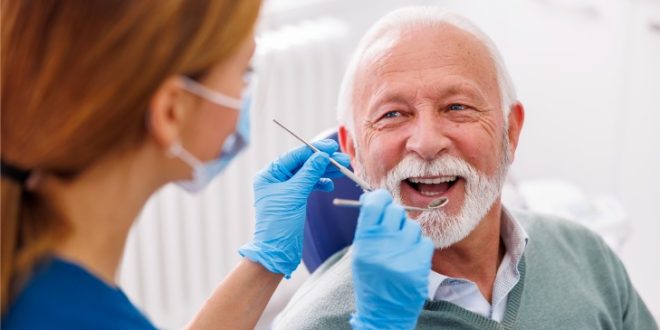
Oral hygiene is often viewed as a cosmetic or routine habit, but its influence extends far beyond a bright smile. The condition of your mouth plays a critical role in your body’s overall health, affecting everything from heart function to immune response. Neglecting daily dental care can quietly contribute to serious health issues over time.
The Mouth–Body Connection
Your mouth is a gateway to the rest of your body. It hosts hundreds of bacteria, most of which are harmless when kept in balance. Poor oral hygiene allows harmful bacteria to multiply, leading to infections that can spread beyond the gums and teeth.
When gums become inflamed or bleed, bacteria can enter the bloodstream and travel to other organs. This is why oral health is increasingly recognized as a vital part of whole-body wellness.
Oral Health and Heart Disease
Research has shown a strong association between gum disease (periodontitis) and cardiovascular problems. Chronic inflammation in the gums may contribute to inflammation in blood vessels, increasing the risk of:
- Heart attacks
- Stroke
- Blocked arteries
Bacteria from infected gums can attach to fatty plaques in arteries, potentially worsening cardiovascular conditions.
Impact on Diabetes Management
The relationship between oral health and diabetes works both ways. Poor oral hygiene can make blood sugar levels harder to control, while high blood sugar can increase the risk of gum infections.
People with diabetes are more prone to:
- Gum inflammation
- Dry mouth
- Slow healing of oral tissues
Maintaining proper oral care can support better glucose management and reduce complications.
Respiratory Health and Oral Bacteria
Harmful bacteria in the mouth don’t always stay there. They can be inhaled into the lungs, especially in older adults or individuals with weakened immunity. This may contribute to respiratory infections such as pneumonia and bronchitis.
Good oral hygiene helps reduce bacterial load, lowering the risk of these infections.
Oral Hygiene and Pregnancy Outcomes
Hormonal changes during pregnancy can make gums more sensitive and prone to inflammation. Untreated gum disease has been linked to:
- Premature birth
- Low birth weight
Regular brushing, flossing, and dental checkups during pregnancy are essential for both maternal and infant health.
Signs Your Oral Health May Be Affecting Your Body
Pay attention to warning signs that suggest oral issues may be impacting your overall health:
- Persistent bad breath
- Bleeding or swollen gums
- Loose teeth
- Chronic dry mouth
- Jaw pain or headaches
These symptoms shouldn’t be ignored, as they may indicate deeper health concerns.
Simple Habits That Protect Your Whole Body
Consistent oral care doesn’t have to be complicated. Focus on these essentials:
- Brush twice daily with fluoride toothpaste
- Floss once a day to remove hidden plaque
- Limit sugary and acidic foods
- Drink plenty of water
- Schedule regular dental checkups
These small daily actions can have long-term benefits for your entire body.
Why Oral Hygiene Is Preventive Healthcare
Oral hygiene is not just about preventing cavities. It’s a form of preventive healthcare that supports your immune system, reduces inflammation, and lowers the risk of chronic disease. By caring for your mouth, you’re actively protecting your overall well-being.
Frequently Asked Questions (FAQs)
1. Can poor oral hygiene weaken the immune system?
Yes, chronic oral infections can cause ongoing inflammation, which may strain the immune system and reduce its efficiency.
2. How often should I replace my toothbrush?
Most dental professionals recommend replacing your toothbrush every three to four months, or sooner if the bristles fray.
3. Is mouthwash necessary for good oral hygiene?
Mouthwash can be helpful, but it should complement—not replace—brushing and flossing.
4. Can gum disease be reversed?
Early-stage gum disease (gingivitis) can often be reversed with improved oral hygiene and professional dental care.
5. Does oral health affect mental well-being?
Yes, chronic oral pain, bad breath, or tooth loss can impact confidence, stress levels, and overall mental health.
6. Are electric toothbrushes better than manual ones?
Electric toothbrushes can be more effective at removing plaque, especially for people with limited hand mobility.
7. Can children’s oral hygiene affect their long-term health?
Absolutely. Early oral care habits influence not only dental development but also nutrition, speech, and lifelong health patterns.
Maintaining good oral hygiene is a daily investment in your overall health. A healthy mouth supports a healthier body—today and for years to come.