Health News Editors – Your Source for Breaking Health News
When people think about dental health, brushing and flossing usually come to mind first. While oral hygiene habits are essential, what you eat every day may have an even greater impact on your teeth and gums than you realize. Your diet influences enamel strength, cavity formation, gum health, and even how fresh your breath stays.
Understanding the connection between food and oral health can help you prevent problems before they start—and save you from costly dental treatments later on.
The Link Between Diet and Oral Health
Every time you eat or drink, your mouth becomes a chemical environment. Bacteria feed on leftover food particles, producing acids that attack tooth enamel. Over time, this process can lead to cavities, gum inflammation, and enamel erosion.
A balanced diet supports:
- Stronger enamel
- Healthier gums
- Better saliva production
- Reduced risk of tooth decay
On the other hand, poor dietary choices create ideal conditions for harmful bacteria to thrive.
Sugary Foods: The Biggest Threat to Your Teeth
Sugar is one of the most damaging substances for dental health. When sugar mixes with bacteria in your mouth, it forms acid that wears away enamel.
Common sugary culprits include:
- Candy and chocolates
- Cakes, cookies, and pastries
- Sugary cereals
- Sweetened beverages and sodas
Sticky sweets are especially harmful because they cling to teeth longer, giving bacteria more time to cause damage.
Acidic Foods and Drinks Can Erode Enamel
Even foods that seem healthy can hurt your teeth if they are highly acidic. Acid weakens enamel, making teeth more sensitive and more vulnerable to decay.
Examples of acidic items:
- Citrus fruits like lemons and oranges
- Tomato-based products
- Vinegar-heavy foods
- Soft drinks and energy drinks
While you don’t need to avoid these entirely, moderation and proper rinsing after consumption can help minimize harm.
Tooth-Friendly Foods That Protect Your Smile
Some foods actively support dental health by strengthening teeth and reducing bacterial growth.
Beneficial foods include:
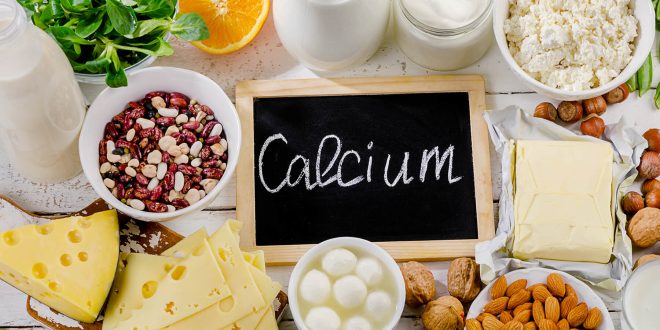
- Dairy products (milk, cheese, yogurt) for calcium and phosphorus
- Crunchy vegetables (carrots, celery) that help clean teeth naturally
- Leafy greens rich in vitamins and minerals
- Nuts and seeds that promote saliva flow
Cheese, in particular, helps neutralize acids and rebuild enamel minerals.
How Saliva and Hydration Play a Role
Saliva is your mouth’s natural defense system. It washes away food particles, neutralizes acids, and helps repair early enamel damage.
To support healthy saliva production:
- Drink plenty of water throughout the day
- Limit alcohol and caffeine, which can cause dry mouth
- Eat foods that stimulate chewing, like fibrous fruits and vegetables
A dry mouth increases the risk of cavities and bad breath.
Timing Matters: When You Eat Is Important Too
Frequent snacking keeps acid levels high in your mouth, giving teeth little time to recover. Even healthy snacks can contribute to decay if eaten constantly.
Smart habits include:
- Eating meals at set times
- Limiting between-meal snacking
- Rinsing your mouth with water after eating
- Waiting at least 30 minutes before brushing after acidic foods
This allows enamel to reharden before being brushed.
The Long-Term Impact of Poor Diet on Dental Health
Over time, a diet high in sugar and acid can lead to:
- Chronic tooth decay
- Gum disease and inflammation
- Tooth sensitivity
- Enamel erosion
- Increased risk of tooth loss
Dietary choices don’t just affect your teeth today—they shape your oral health for years to come.
Simple Dietary Changes for a Healthier Smile
You don’t need a perfect diet to protect your teeth. Small, consistent changes can make a big difference.
Start with these steps:
- Replace sugary drinks with water
- Choose whole foods over processed snacks
- Eat calcium-rich foods daily
- Limit sweets to mealtimes
- Maintain regular dental checkups
Your smile reflects your daily habits more than you might think.
Frequently Asked Questions
Can healthy foods still damage teeth?
Yes. Acidic foods like citrus fruits can weaken enamel if consumed frequently without proper oral care.
Is fruit sugar as harmful as processed sugar?
Natural sugars are less harmful when paired with fiber, but frequent exposure can still contribute to decay.
Does drinking water after meals really help?
Yes. Water helps rinse away food particles and neutralize acids, reducing cavity risk.
Are sugar-free drinks safe for teeth?
Not always. Many sugar-free drinks are acidic and can still erode enamel.
How does diet affect gum health?
A nutrient-poor diet weakens gum tissue and increases inflammation, making gum disease more likely.
Can chewing gum improve dental health?
Sugar-free gum can stimulate saliva production, which helps protect teeth and freshen breath.
How long does enamel take to recover after eating acidic foods?
It usually takes about 30–60 minutes for enamel to reharden, which is why waiting before brushing is recommended.
By paying attention to what you eat and drink, you can protect your teeth naturally and maintain a healthier, more confident smile for life.