Health News Editors – Your Source for Breaking Health News

Starting a fitness routine is easy. Sticking with it is where most people struggle. Burnout, unrealistic goals, and rigid plans often turn motivation into frustration. A sustainable fitness routine isn’t about perfection or extremes—it’s about creating habits that fit your life and evolve with you.
When fitness feels manageable and enjoyable, consistency becomes natural rather than forced.
Start With a Clear, Personal “Why”
Before choosing workouts or schedules, define why fitness matters to you. Goals rooted in personal meaning last longer than those based on pressure or comparison.
Strong motivators include:
- Having more daily energy
- Reducing stress and improving mood
- Staying healthy for family and longevity
- Feeling confident and capable in your body
A clear purpose keeps you grounded when motivation dips.
Choose Activities You Actually Enjoy
Sustainability depends heavily on enjoyment. If you dislike an activity, it won’t last—no matter how effective it’s supposed to be.
Examples of enjoyable movement:
- Strength training or resistance workouts
- Walking, hiking, or cycling
- Yoga, Pilates, or mobility work
- Sports, dance, or group classes
Fitness doesn’t have to look one specific way. Enjoyment increases consistency, which drives results.
Build a Realistic Schedule
An ideal plan that doesn’t fit your life will fail quickly. A sustainable routine respects your time, energy, and responsibilities.
Helpful guidelines:
- Start with 2–4 workouts per week
- Keep sessions as short as 20–45 minutes if needed
- Schedule workouts like appointments
Consistency with a modest plan beats inconsistency with an ambitious one.
Focus on Progress, Not Perfection
Many routines collapse because people expect flawless execution. Missed workouts happen. Energy fluctuates. Life interferes.
A sustainable mindset includes:
- Viewing setbacks as temporary
- Adjusting intensity instead of quitting
- Measuring progress over months, not days
Fitness success comes from showing up most of the time, not all the time.
Balance Strength, Cardio, and Recovery
A well-rounded routine supports both physical health and long-term adherence.
Core components to include:
- Strength training for muscle, metabolism, and joint health
- Cardio for heart health and endurance
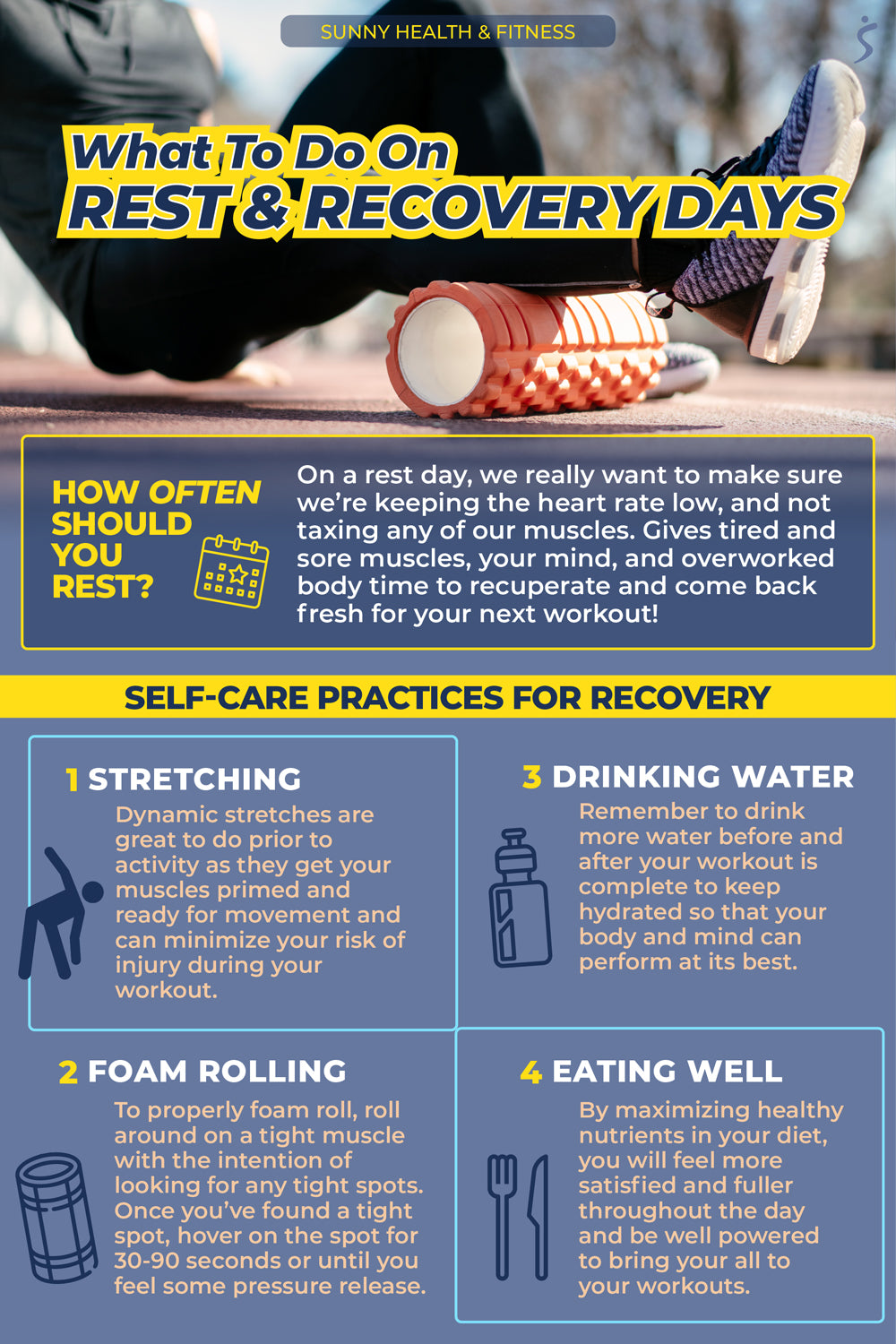
- Recovery and rest to prevent burnout and injury
Neglecting recovery is one of the fastest ways to derail consistency.


Keep Nutrition Simple and Supportive
Extreme diets often sabotage fitness routines by draining energy and increasing stress. Sustainable fitness pairs best with sustainable nutrition.
Key principles:
- Eat mostly whole, minimally processed foods
- Prioritize protein, fruits, and vegetables
- Stay hydrated consistently
Nutrition should support training, not complicate it.
Track Habits, Not Just Results
The scale, mirror, or measurements don’t always tell the full story. Habit-based tracking keeps motivation steady.
Track things like:
- Workouts completed per week
- Steps or daily movement
- Sleep quality and energy levels
When habits improve, results eventually follow.
Adapt as Your Life Changes
What works today may not work six months from now—and that’s normal. A sustainable routine evolves with your schedule, stress levels, and goals.
Adapt by:
- Shortening workouts during busy periods
- Switching activities when boredom hits
- Increasing intensity only when ready
Flexibility is a strength, not a weakness.
Frequently Asked Questions (FAQs)
1. How long should a sustainable fitness routine last?
There’s no end date. A sustainable routine adapts over time and becomes part of your lifestyle rather than a temporary phase.
2. Is it okay to change workouts often?
Yes. Variety can prevent boredom and overuse injuries, as long as changes still align with your goals.
3. What if I lose motivation completely?
Motivation naturally fluctuates. Rely on habits, simple routines, and your original “why” rather than waiting to feel motivated.
4. Can a sustainable routine still deliver visible results?
Absolutely. Consistency over time produces better physical results than short bursts of extreme effort.
5. How do I restart after a long break?
Start smaller than you think you should. Rebuild consistency first, then increase intensity gradually.
6. Should rest days be completely inactive?
Not necessarily. Light movement like walking or stretching can enhance recovery without adding stress.
7. Is it better to train alone or with others?
Both work. Choose the option that keeps you consistent—some thrive on social accountability, others prefer solo focus.
A sustainable fitness routine doesn’t demand your entire life—it supports it. When fitness works with your lifestyle instead of against it, staying active stops feeling like a struggle and starts feeling natural.